Amiya Dev, "Comparative Literature in India." Assigment paper 208


Name : Upasna Goswami

Roll  no. 20

Enrollment No. 4069206420220012

Sem : 4

Paper Name :Comparative Literature & Translation Studies

Paper no.  : 209

Paper Code : 22415

Submitted to : S. B. Gardi Department of English,M.K.B.U

Email : goswamiupasna339@gmail.com


 Introduction 



Comparative approaches to Indian literature must grapple with the complex hierarchies and diversity within Indian society itself. The long-standing caste system, with its rigid divisions of Brahmin priests, Kshatriya warriors, Vaishya tradesmen, and Shudra servants, has created myriad subcultures, each with their own literary traditions and forms. This caste hierarchy has also shaped hierarchies within literature itself, privileging certain "mainstream" or Sanskritized works over those from rural, regional, Dalit, and tribal communities. 


Adding further complexity are the multiple religions, languages, and folk traditions that span the Indian subcontinent. With 24 constitutionally recognized languages and hundreds more spoken tongues, India cannot be seen as a true melting pot nor a monolingual culture. The 5% English-educated elite have dominated literary production and scholarship, often promoting an Anglicized and upper-caste view of what constitutes authentic "Indian" literature.


Attempts at comparative study have historically been marred by this casteist, Orientalist bias that disregards indigenous folk cultures in favor of elite Sanskrit traditions. However, some threads of a "home-grown" comparative approach can be found in medieval saint-poets like Namdeo who blended influences across caste and regional lines. The author argues that such culturally-grounded, intersectional comparisons are needed to develop a democratic understanding of Indian literature beyondthe Brahminical monopoly. Overcoming lingering colonial perspectives is crucial for more equitable, transcultural literary studies. (Tötösy de Zepetnek and Mukherjee )


The study of literature and literary traditions in India has been profoundly shaped by the nation's staggering linguistic and cultural pluralities. With over 20 officially recognized major literary streams spanning hundreds of spoken tongues, fundamental questions have arisen about whether the concept of a unified "Indian literature" is valid or whether these traditions must be understood as distinct "Indian literatures." This conundrum regarding unity and diversity has sparked robust scholarly debates that lie at the heart of developing an authentic discipline of comparative Indian literary studies.


In this essay, I will examine the key perspectives and fault lines within this debate, drawing primarily from the insightful analysis of scholar Amiya Dev. I will then outline Dev's critiques of earlier approaches and his proposals for an indigenous, "home-grown" model of comparative literary research in India - one that moves beyond rigid binaries to fruitfully engage the complex interliterary processes unfolding across the nation's plural traditions. Ultimately, I will argue that Dev's pluralistic yet coherent framework holds great promise for revitalizing Indian literary studies in a manner rooted in the civilizational dynamics of the subcontinent.


The future of comparative literature and comparative cultural studies in India


1. Greater institutional presence and growth: While centers and departments for comparative literature have been established at several major universities across India since the 1950s, the field is still expanding with new programs being created.


2. Emphasis on "home-grown" theory: There is a need for comparative frameworks and theoretical models rooted in India's diverse cultural traditions, castes, religions, and indigenous knowledges - moving beyond just applying Western theory. Concepts like an "encyclopedia of Indian comparative poetics" drawing from varied caste practices are proposed.


3. Interdisciplinarity and cultural literacy: Emerging technologies demand a new cultural literacy attentive to interdisciplinary politics of internationalization. Comparative humanities must engage resistant aesthetics across different cultural communities.


4. Transcultural intertextuality: Indian scholarship should explore the impacts and influences of Indian culture/literature globally, theorizing transcultural relations beyond just looking at Western influences in India.


5. Confronting caste hierarchies: This new comparativism would analyze how literary caste politics operate from the personal to global levels, de-centering elite narratives and exposing the "comprador intelligentsia."


6. Methodological reorganization: Ultimately, the author calls for reorganizing Indian scholarship into "home-grown" theory construction and application based on India's rich cultural history - a path towards a revitalized, non-national study of culture and literature independent of Western epistemologies.


In essence, the future envisions a robustly comparative yet grounded, interdisciplinary, and critical approach that dismantles persisting colonial/casteist biases in Indian literary studies. (Tötösy de Zepetnek and Mukherjee)


The Unity vs. Diversity Debate


The contrasting stances on whether Indian literary output across languages and cultures constitutes a unified whole or a cluster of separate entities can be traced back to the colonial period and the perspectives of early Western scholars. Those working in the "Indological" tradition of Oriental studies viewed Indian literary production primarily through the narrow prism of classical Sanskrit texts. This myopic approach failed to account for the vibrant diversity of India's multilingual literary ecosystems that emerged across the subcontinent over centuries. 


The reductive, homogenizing lens of the Orientalist scholars, who privileged the elite Sanskrit tradition as the solitary representative of Indian literature, effectively rendered invisible the rich pluralities of textual and performative literary streams that had taken root in the various regional languages and vernacular cultures. From Tamil and Malayalam in the south to Bengali and Assamese in the east, these scholars systematically ignored or marginalized the corpus of literary works in languages like Kannada, Marathi, Gujarati, Oriya and others.


This derived from both the inherent civilizational biases of the European Indologists as well as the convenient expediency of equating "Indian literature" with just the unified canon of Sanskrit to serve the project of crafting a cohesive object of study. However, such a blinkered perspective clearly failed to capture the polyphonic realities of literary production across the Indian subcontinent over millennia.


It was this problematic colonial legacy that prompted the first generation of Indian scholars and literary critics after independence to fundamentally diverge into opposing camps on this question. On one side were those who still argued for the essential overarching unity, connectivity and shared genesis of Indian literature across all the linguistic streams, seeing them as offshoots of a common civilizational trunk rooted in Sanskrit cosmology.


On the opposing side were the critics and writers who insisted on recognizing the distinct literary traditions across languages as separate, sovereign entities deserving of individuated study in their own right. They rejected the lingering biases of the colonial epistemology that rendered their respective linguistic literary canons invisible or subordinated them under an artificial, externally-imposed "Indian literature" construction.


This core ideological schism regarding the fundamental unity or plurality of Indian literary traditions set the tenor for impassioned debates among scholars, critics and writers in the decades after independence. It also framed the conversation around the nascent discipline of comparative Indian literary studies that was just finding institutional footing during this period across the country's universities.


In the postcolonial era, poststructuralist thinkers have subjected both poles of this unity/diversity binary to rigorous critique. Scholars like Gurbhagat Singh have vehemently resisted any singular, overarching construction of "Indian literature" out of "hegemonic apprehensions" - the fear that such a move would inevitably privilege and be equated with one dominant linguistic/cultural group's narrative at the expense of all others. Singh instead proposes the notion of a "differential multilogue" that maintains and celebrates the radical differences between India's myriad literary cultures without attempting to impose any unitary framework.


However, Dev argues that both the homogenizing "unity" stance and the atomized "plurality" position pose distinct problems in adequately capturing the intricate relationship between commonalities and specificities across India's literary landscapes. The unitary view, he contends, risks flattening and subsuming vital particularities under a singular majoritarian force. Yet the absolutist plural position also overlooks some deeper cultural commonalities, overarching aesthetic codes, and ideological affinities that have historically cut across the surface diversity of traditions. Moreover, Dev critiques how both sides of the debate have tended to veer into abstract theoretical terrains rather than grounding their enquiries in keenly observed realities and applications.


Aijaz Ahmad's Influential Critique 


Dev substantially builds his arguments on the influential and trenchant critique advanced by the eminent Marxist literary theorist Aijaz Ahmad regarding contemporary attempts to construct a homogenized "Indian literature" canon or curriculum. In his seminal work In Theory, Ahmad unpacks how such pedagogical proposals and institutional drives, whether pushed by scholars or government bodies, are inherently riddled with problems.


Ahmad contends that these modern-day efforts to develop an aggregated, unified constellation of literary texts deemed representative of an essentialized "Indian literature" still inescapably derive from and perpetuate the majoritarian language politics and hegemonies that arose under the colonial context. Whether manifesting through a push for English translation anthologies or compilations in other dominant languages like Hindi, such synthetic models remain marred by the hierarchical dynamics they inherited.


For Ahmad, these contrived, ahistorical constructs of an "Indian literature" fundamentally lack legitimacy as they neglect and occlude the authentically distinct literary histories, epistemologies, knowledge archives and textual genealogies that have separately and distinctively unfolded over centuries across the different linguistic traditions of the subcontinent. By flattening this rich diversity and subsuming it under a unitary, exogenous category, Ahmad argues that such projects effectively enact an epistemological erasure of the varied literary cosmologies and unique narrative trajectories of cultural-linguistic communities like Tamil, Bengali, Marathi, Gujarati and others.


Moreover, he takes issue with the facile analogies often employed to legitimize these "Indian literature" models, which seek to unconvincingly equate them with more organically developed, pluralistic concepts like that of "European literature." Ahmad counters that while the notion of a "European literature" operates as a reasonably open-ended pedagogical umbrella precisely due to its accommodation of distinct, sovereign literary streams, the drive to construct an overarching "Indian literature" is a more pernicious project anchored to explicit nation-building and cultural hegemony agendas.


Whereas "European literature" evolved as a supple framework to comparatively study the literary traditions across that continent without subsuming them into a artificial monolith, the "Indian literature" push, according to Ahmad, stems from a deeply problematic politics of flattening India's immense civilizational diversity into a singular national-cultural identity and assertion. This inherently privileges certain dominant linguistic traditions while invisibilizing or diminishing the plural literary cosmologies that emerged from myriad histories, knowledge systems and lived realities across the subcontinent.


By unpacking these concerns, Ahmad provides a forceful rejoinder to the uncritical, hollow universalizing impulses that often animate such "Indian literature" model-building, highlighting how they inevitably ignore and undermine the very essence of India's vibrant literary cosmologies - their self-arisen pluralities across linguistic cultures that exceed any reductive, monolithic framing. His critique serves as a vital counter-narrative to such homogenizing narratives.


Ahmad also takes issue with specious analogies that equate these contemporary "Indian literature" constructs with more organically developed concepts like "European literature." While the notion of a plural "European literature" operates as a reasonably open-ended pedagogical umbrella, he argues that the push for forging an overarching "Indian literature" stems from a deeply problematic


Works Cited

Dasgupta, Subha Chakraborty. “Comparative Literature in India: An Overview of its History.” Comparative Literature & World Literature, 4 July 2016, http://www.cwliterature.org/uploadfile/2016/0711/20160711020042997.pdf. Accessed 24 April 2024.

Dev, Amiya. “Comparative Literature in India.” Purdue e-Pubs, https://docs.lib.purdue.edu/cgi/viewcontent.cgi?article=1093&context=clcweb. Accessed 24 April 2024.

Dev, Amiya. “Comparative Literature in India - Amiya Dev.” ResearchGate, https://www.researchgate.net/publication/27239965_Comparative_Literature_in_India. Accessed 24 April 2024.

Dev, Amiya. “"Comparative Literature in India" by Amiya Dev.” Purdue e-Pubs, https://docs.lib.purdue.edu/clcweb/vol2/iss4/10/. Accessed 24 April 2024.

Mirza, S. M. “Sisir Kumar Das : ‘Comparative Literature in India: A Historical Approach.’” Wikipedia, http://udrc.lkouniv.ac.in/Content/DepartmentContent/SM_92d0eb89-61ef-40fd-b039-4c8ba253a9e6_6.pdf. Accessed 24 April 2024.

Tötösy de Zepetnek, Steven, and Tutun Mukherjee. Companion to Comparative Literature, World Literature, and Comparative Cultural Studies. Edited by Steven Tötösy de Zepetnek and Tutun Mukherjee, Foundation Books, 2013. Accessed 24 April 2024.

Varghese, Abhishek. “Comparative Literature in India - Delhi Comparatists.” Delhi Comparatists, 2021, https://delhicomparatists.org/research-forums/comparative-literature-in-india/. Accessed 24 April 2024.

The Difference Between Bibliography and Citation Paper 209: Research Methodology Assignment


Name : Upasna Goswami

Roll  no. 20

Enrollment No. 4069206420220012

Sem : 4

Paper Name : Research Methodology

Paper no.  : 209

Paper Code : 22416

Submitted to : S. B. Gardi Department of English,M.K.B.U

Email : goswamiupasna339@gmail.com


     The Difference Between Bibliography and Citation


Introduction


In the world of academic writing and research, accurately acknowledging the sources of information used is of paramount importance. This process not only demonstrates intellectual honesty and integrity but also allows readers to verify the claims made and explore the subject matter further. Two key concepts that play a crucial role in achieving this goal are bibliographies and citations. While these terms are often used interchangeably, they represent distinct elements of the research process, each with its own specific purpose and formatting guidelines. In this assignment, we will delve into the nuances that distinguish bibliographies from citations, exploring their definitions, functions, and the significance of adhering to proper citation practices.


1. Defining Bibliography

a. A bibliography is a comprehensive list of all sources consulted or referenced during the research and writing process, regardless of whether they were directly cited or not.

b. Its purpose is to provide readers with a comprehensive overview of the materials that informed the author's work, serving as a valuable resource for further exploration or verification of information.

c. Entries in a bibliography typically include bibliographic details such as the author's name, title of the work, publication date, publisher, and location of publication.


2. Formatting a Bibliography

a. Bibliographies must adhere to specific formatting guidelines outlined by various style guides, such as APA, MLA, Chicago, or Harvard.

b. These style guides provide detailed instructions on how to structure and present bibliographic information for different types of sources, including books, journal articles, websites, and more.

c. Consistency in formatting is crucial to maintain academic standards and ensure clarity for readers.


3. Defining Citation

a. A citation is a specific reference to a source used within the text of a written work, giving credit to the original author and allowing readers to locate and verify the information.

b. Citations can take various forms, such as in-text citations or footnotes, depending on the citation style being used.

c. They typically include the author's last name, publication year, and a specific page number or other identifying information.


4. Importance of Proper Citation

a. Citing sources properly is essential to avoid plagiarism, which is a serious offense in academic circles and can have severe consequences.

b. It establishes credibility and demonstrates the author's commitment to academic integrity and adherence to established research and writing standards.

c. Accurate citations enable readers and researchers to locate and access the cited sources, facilitating further exploration and scholarly discourse.


5. The Relationship Between Bibliography and Citation

a. While bibliographies and citations serve distinct purposes, they are closely related and interdependent.

b. Each citation should have a corresponding entry in the bibliography, and each entry in the bibliography should be cited at least once in the text.

c. This relationship allows readers to easily locate and verify the sources cited in the text by referring to the comprehensive list provided in the bibliography.


6. Style Guides and Formatting

a. Both bibliographies and citations must follow specific formatting guidelines outlined by various style guides, such as APA, MLA, Chicago, or Harvard.

b. These style guides provide detailed instructions on how to structure and present bibliographic information and citations for different types of sources.

c. Adhering to the appropriate style guide ensures consistency, clarity, and adherence to academic standards throughout a written work.


What is a Bibliography?


A bibliography is a comprehensive list of sources that were consulted or referenced during the research and writing process of a particular work. It serves as a valuable resource for readers, providing them with a comprehensive overview of the materials that informed the author's understanding and analysis of the topic under investigation.


The entries in a bibliography typically include various types of sources, such as books, journal articles, websites, dissertations, conference proceedings, and government publications, among others. These entries are arranged in a specific order, usually alphabetically by the author's last name or, in the case of sources without an author, by the title.


Each entry in a bibliography contains detailed bibliographic information about the source, including the author's name, the title of the work, the publication date, the publisher, and the location of publication. The precise format and order of these elements may vary depending on the citation style being used, such as APA (American Psychological Association), MLA (Modern Language Association), Chicago, or Harvard.


For example, here is an entry in APA style for a book:


Gurung, R. A. R. (2017). Complementary and alternative therapies. In R. Biswas-Diener & E. Diener (Eds.), Noba textbook series: Psychology. DEF Publishers.


The primary purpose of a bibliography is to provide readers with a comprehensive list of sources that were consulted during the research process, regardless of whether they were directly cited or quoted within the text. This allows readers to explore the topic further by consulting the same materials that informed the author's work.


What is a Citation?


In contrast, a citation is a specific reference to a particular source that is used within the text of a written work. Whenever an idea, fact, quotation, or any other information is borrowed from an external source, it must be properly cited to give credit to the original author and to enable readers to locate and verify the information.


Citations can take various forms depending on the citation style being used, but they typically include the author's last name, the publication year, and a specific page number or other identifying information, such as a paragraph number or a section heading.


Here is an example of an in-text citation in APA style:


"Complementary and alternative therapies are often used to supplement conventional medical treatments" (Gurung, 2017, para. 1).


The corresponding reference list entry for this citation would appear in the bibliography:


Gurung, R. A. R. (2017). Complementary and alternative therapies. In R. Biswas-Diener & E. Diener (Eds.), Noba textbook series: Psychology. DEF Publishers.


The primary function of a citation is to give proper credit to the original source and to allow readers to locate and verify the information being cited. It also helps to avoid plagiarism by clearly distinguishing the author's own ideas from those borrowed from other sources.

Importance of Bibliography and Citation:

Properly Crediting the Writer: For any writing, bibliography and citation is essential as it is a way to credit the original author of the content. If a writer uses parts of writing from another author in their work and passes it under their name, which can violate the author’s right.

As the copyright holder of a book, the writer needs to credit the author. If the writer fails to credit the author appropriately, they can seek legal actions to violate their rights. If the charges of plagiarism are correct, then the writer may be penalized with monetary compensations.

Staying Away From Plagiarism: Plagiarism is nowadays taken seriously and is treated as a form of cheating. The writers and researchers can quote or paraphrase parts from other work, but bibliography and citations are essential to avoid plagiarism.

If the writer fails to use proper quotation marks or misquotes and provides any wrong information in the bibliography and citation, that can be plagiarism.

Maintaining Accuracy: When a writer or researcher includes their source of information in the bibliography and citation of their work, they allow the readers to check the details. They can cross-check any information if they doubt it.

When a writer includes a random fact in their work, it may be difficult for many readers to find out how accurate it is. It is equally valid for any data or statistics. When they use bibliography and citation, the reader knows the source, and hence they do not question the accuracy.

Approach as a Good Writer: On any excellent writer, maintaining the right writing style or writing format is essential. But, it is more important to use detailed arguments with valid information. The argumentative writing style is a favorite of many readers because of its logical approach.

The reader can see both sides of a thing, and the argument helps them find out their point of view. To strengthen the arguments, the writer needs to use parts from other existing works. For that, bibliography and citation help and author to stay away from plagiarism.

Helpful Guide to the Readers: It may also happen that a reader is inquisitive to know more about some fact. After reading an article, they are even more curious to know some facts in detail.

When the writer adds a bibliography and citation, it helps them select books from the list and read as per their choice. The researchers working on a similar topic may also get more insight about how to consult books or reference material based on the bibliography and citation.


Key Differences Between Bibliographies and Citations


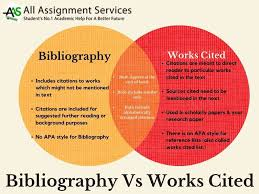
While bibliographies and citations are closely related and interdependent, there are several key differences between the two:


1. Purpose:

- A bibliography serves as a comprehensive list of all sources consulted during the research process, whether directly cited or not.

- A citation, on the other hand, is a specific reference to a source that is used within the text of a written work.


2. Scope:

- A bibliography includes all sources consulted, regardless of whether they were directly cited or quoted.

- Citations only include sources that were directly referenced or quoted within the text.


3. Location:

- A bibliography is typically presented at the end of a written work, such as a research paper, thesis, or book.

- Citations are embedded within the text, appearing in-line or as footnotes or endnotes, depending on the citation style being used.


4. Formatting:

- Bibliographies follow specific formatting guidelines outlined by various style guides, such as APA, MLA, Chicago, or Harvard.

- Citations also follow specific formatting guidelines, but these may differ from the guidelines for bibliographies, depending on the citation style being used.


5. Relationship:

- The entries in a bibliography correspond to the citations found within the text of a work.

- Each citation should have a corresponding entry in the bibliography, and each entry in the bibliography should be cited at least once in the text.


Importance of Proper Citation and Bibliography Practices


Maintaining proper citation and bibliography practices is crucial in academic writing and research for several reasons:


1. Giving credit where it's due: Citing sources and including them in a bibliography ensures that the original authors and sources are properly credited for their contributions to the field of study. This practice upholds the principles of academic integrity and intellectual honesty.


2. Avoiding plagiarism: Failing to cite sources properly or neglecting to include them in a bibliography can constitute plagiarism, which is a serious offense in academic circles and can have severe consequences, including potential legal ramifications.


3. Enabling further research: By providing accurate and complete bibliographic information, researchers and readers can locate and access the cited sources, facilitating further exploration and scholarly discourse on the topic.


4. Establishing credibility: Proper citation and bibliography practices demonstrate the author's commitment to academic integrity and adherence to established research and writing standards, enhancing the credibility of the work.


5. Meeting academic requirements: Most academic institutions and publishers have strict guidelines regarding citation and bibliography formatting, and failure to follow these guidelines can result in penalties or rejection of the work.


Conclusion


In the realm of academic writing and research, bibliographies and citations play distinct yet complementary roles in ensuring the accurate acknowledgment of sources and the dissemination of knowledge. While a bibliography serves as a comprehensive list of all sources consulted during the research process, a citation is a specific reference to a particular source used within the text of a written work.


Maintaining proper citation and bibliography practices is not only a matter of adhering to academic conventions but also a fundamental ethical obligation. By giving credit where it is due, researchers and writers uphold the principles of intellectual honesty, avoid plagiarism, and enable others to verify and build upon their work. Furthermore, accurate and consistent citation and bibliography formatting enhances the credibility of the work and ensures compliance with the guidelines set forth by academic institutions and publishers.


As scholars and researchers, it is our responsibility to navigate the intricate web of information sources with integrity, acknowledging the contributions of others while simultaneously advancing the frontiers of knowledge through our own contributions. By mastering the nuances of bibliographies and citations, we can uphold the highest standards of academic excellence and foster a culture of intellectual curiosity, collaboration, and respect for the work of our peers.

Words count : 2112  


Works Cited

Adams, Obed. “How different is bibliography from reference?” ResearchGate, 14 May 2018, https://www.researchgate.net/post/How_different_is_bibliography_from_reference. Accessed 25 April 2024.

Groshong, Bonnie. “What's the difference between a bibliography and works cited? - Ask the Library.” Ask the Library, 8 September 2020, https://libanswers.dominican.edu/Reference/faq/8000. Accessed 25 April 2024.

“The Importance of Bibliography and Citation.” Copyleaks, 1 March 2021, https://copyleaks.com/blog/the-importance-of-bibliography-and-citation. Accessed 25 April 2024.

Panse, Madhura, and Pratiksha Lotlikar. “Citations, References and Bibliography in Research Papers [Beginner's Guide] – Researcher. Life.” Researcher.Life, 22 July 2022, https://researcher.life/blog/article/citations-references-and-bibliography-in-research-papers-beginners-guide/. Accessed 25 April 2024.


The Ministry of Utmost Happiness: A Political Allegory of Contemporary India Paper 207: Contemporary Literatures in English Assignment


Name : Upasna Goswami

Roll no. 20

Enrollment No. 4069206420220012

Sem : 4

Paper Name : Contemporary Literature 

Paper no.  : 207

Paper Code : 22414

Submitted to : S. B. Gardi Department of English,M.K.B.U

Email :goswamiupasna339@gmail.com


  The Ministry of Utmost Happiness:

A Political Allegory of

Contemporary India


Introduction


Arundhati Roy, the acclaimed Indian author, burst onto the literary scene with her debut novel, "The God of Small Things," which won the coveted Booker Prize in 1997. After a hiatus of nearly two decades, Roy returned to fiction with her second novel, "The Ministry of Utmost Happiness," published in 2017. This ambitious and sprawling work delves into the complexities of contemporary India, weaving together narratives that span decades and encompass a diverse tapestry of characters.


At its core, "The Ministry of Utmost Happiness" is a powerful allegory that comments on the political and social issues plaguing modern India. Through her masterful storytelling and symbolic representations, Roy shines a light on government corruption, social injustice, and human rights abuses, inviting readers to confront the harsh realities that often go unnoticed or ignored.


Allegory and Government Corruption


The allegory of Anjum's aviary delves deep into the systemic marginalization and oppression faced by marginalized communities in India. Roy paints a vivid picture of the hijra community, a group that has historically been ostracized and denied basic rights within the rigid confines of societal norms and gender binaries.


Anjum's decision to establish a sanctuary in an abandoned aviary is a powerful symbolic representation of the struggle for refuge and acceptance. The aviary, once a place of captivity and confinement for birds, becomes a haven for those who have been caged by societal prejudices and governmental indifference. Just as the birds were denied their freedom, the hijras and other outcasts have been denied their fundamental rights and dignity.


The dilapidated state of the aviary serves as a poignant allegory for the crumbling infrastructure and lack of basic amenities that these marginalized communities face on a daily basis. Roy skillfully juxtaposes the decaying physical structure with the resilience and determination of its inhabitants, highlighting the stark contrast between their lived experiences and the promises of a just society.


The parallel between the caged birds and the marginalized communities is particularly striking. Roy draws a parallel between the physical confinement of the birds and the figurative imprisonment of these groups within societal norms and governmental neglect. Just as the birds were confined to their cages, unable to spread their wings and soar freely, the hijras, outcasts, and rebels find themselves trapped within the constraints of a system that denies them the freedom to exist authentically and pursue their aspirations.


Through Anjum's struggles to maintain the sanctuary, Roy exposes the systemic corruption that permeates governmental institutions and the consequent neglect of marginalized groups. The novel depicts how corruption and greed have enabled those in power to exploit and suppress the vulnerable, denying them basic rights and access to resources. Anjum's challenges in securing basic amenities like water and electricity for the sanctuary mirror the daily struggles faced by countless marginalized communities across India.


Roy's allegory is a searing indictment of the insidious nature of corruption and its ability to perpetuate injustice and inequality. The novel highlights how corruption enables those in positions of power to turn a blind eye to the plight of the marginalized, prioritizing personal gain over the well-being of the most vulnerable members of society.


Through Anjum's resilience and determination, Roy celebrates the indomitable spirit of those who refuse to be silenced or erased by the oppressive forces of society. The aviary becomes a symbol of resistance, a place where the marginalized can find solace, community, and the courage to challenge the status quo.


Social Injustice and the Plight of the Marginalized


Roy's allegorical tapestry extends far beyond the confines of Anjum's aviary, weaving together the intricate threads of social injustice and inequality that permeate Indian society. Through a diverse cast of characters, each facing their own unique challenges and struggles against discrimination and oppression, Roy paints a vivid portrait of the systemic exclusion and marginalization that plagues various communities.


The character of Tilo, the novel's central protagonist, serves as an allegory for the privileged class that bears witness to the suffering of the marginalized. Tilo's journey is a powerful exploration of the contrasts between privilege and deprivation, as she navigates the stark realities of those living on the fringes of society. Through her interactions with Anjum, Musa, and others, Tilo's eyes are opened to the harsh lived experiences of those who have been ostracized and oppressed.


Roy's portrayal of the hijra community is a poignant allegory for the systematic exclusion and oppression faced by those who do not conform to traditional gender norms. The novel sheds light on the intersections of gender, caste, and religion, exposing the intricate web of prejudices and biases that perpetuate social injustice. The hijras, deemed "different" and "undesirable" by the dominant social and political structures, are denied basic rights and freedoms, forced to exist on the fringes of society.


The character of Musa, a Kashmiri separatist, serves as an allegory for the ongoing conflict in Kashmir and the brutal suppression of dissent by the Indian government. Roy vividly depicts the horrors of torture, extrajudicial killings, and the systematic violation of human rights in the region. Musa's journey becomes a symbolic representation of the suffering endured by the Kashmiri people, caught in the crossfire of a conflict fueled by political ideologies and power struggles.


Roy's allegory extends further to encompass other marginalized groups, such as Dalits and religious minorities, who face systemic oppression and discrimination within the dominant social structures. Through their stories, Roy shines a light on the intersectional nature of oppression, where individuals face multiple layers of marginalization based on their caste, religion, and socioeconomic status.


The novel's allegorical tapestry weaves together these diverse narratives, exposing the intricate ways in which societal norms, cultural biases, and governmental policies reinforce and perpetuate inequalities. Roy's characters become symbolic representations of the countless individuals who have been denied access to opportunities, resources, and basic human rights due to their perceived "otherness."


Through Tilo's privileged lens, Roy invites readers to confront their own complicity in perpetuating these injustices. Tilo's journey serves as an allegory for the awakening of consciousness, challenging the privileged classes to acknowledge the suffering of the marginalized and to actively work towards dismantling the systems that perpetuate inequality and oppression.


Roy's allegory is a powerful call to action, urging readers to confront the harsh realities that exist beneath the veneer of progress and development. By weaving together the narratives of diverse marginalized communities, Roy creates a tapestry that reflects the complexity and intersectionality of social injustice, inviting readers to embrace empathy, compassion, and a commitment to creating a more equitable and just society.


*Human Rights Abuses and the Specter of Violence*

Roy's allegory takes a searing look at the human rights abuses and violence perpetrated by both state and non-state actors, exposing the brutal realities that lurk beneath the veneer of democracy and progress. The character of Musa, a Kashmiri separatist, serves as a powerful allegory for the ongoing conflict in Kashmir and the Indian government's brutal suppression of dissent.


Through Musa's journey, Roy vividly depicts the horrors of torture, extrajudicial killings, and the systematic violation of human rights that have become all too common in the Kashmir region. Musa's experiences are not mere fictional accounts but rather symbolic representations of the real-life atrocities endured by countless Kashmiris caught in the crossfire of a conflict fueled by political ideologies and power struggles.


Roy's unflinching portrayal of Musa's ordeal serves as a haunting allegory for the suffering of the Kashmiri people. The torture and dehumanization he endures at the hands of the Indian authorities symbolize the collective trauma and oppression inflicted upon an entire population. Musa's resilience and unwavering spirit in the face of such brutality become a testament to the indomitable will of the Kashmiri people, who have endured decades of conflict and human rights violations.


Roy's allegory extends beyond the state-sponsored violence, delving into the complex issue of religious fundamentalism and the violence perpetrated by extremist groups. The character of Tilo's former lover, Naga, represents the allure of extremist ideologies and the cycle of violence they perpetuate.


Naga's descent into radicalization serves as a cautionary tale, an allegory for the seductive power of extremist narratives that prey on disillusionment and exploit societal divisions. Roy skillfully illustrates how such ideologies can take hold, fueled by a sense of injustice and a desire for retribution, ultimately leading to the erosion of human rights and the perpetuation of violence in the name of a twisted cause.


Through Naga's journey, Roy exposes the dangerous interplay between state-sponsored oppression and the rise of extremist ideologies. The novel suggests that the marginalization and brutalization of certain communities by the state can create fertile ground for radicalization, as individuals seek solace and a sense of purpose in the distorted narratives propagated by extremist groups.


Roy's allegory serves as a powerful warning against the dangers of radicalization and the erosion of human rights in the name of religious or political agendas. She poignantly illustrates how the cycle of violence perpetuates itself, with each act of brutality breeding further resentment and retaliation, creating a vicious cycle that threatens to consume all in its path.


Through her allegorical representations, Roy challenges readers to confront the harsh realities of human rights abuses and the insidious nature of violence, whether perpetrated by state or non-state actors. She invites us to question the very foundations of ideologies and power structures that enable such atrocities to occur, and to contemplate the collective responsibility we all bear in upholding the sanctity of human life and dignity.


Roy's allegory is a harrowing reminder that the path to lasting peace and justice can never be paved with violence and oppression. It is a call to action, urging us to reject the narratives of hatred and extremism, and to embrace the values of compassion, understanding, and a unwavering commitment to the protection of human rights for all.


Conclusion


Arundhati Roy's "The Ministry of Utmost Happiness" is a profound and multilayered work of fiction that serves as an allegory for the complex social, political, and human rights issues that plague contemporary India. Through her intricate tapestry of narratives and richly drawn characters, Roy exposes the deep-rooted corruption within governmental institutions, the systemic marginalization of vulnerable communities, and the egregious human rights abuses that persist in the shadows of India's vibrant democracy.


The novel's allegorical elements are woven seamlessly into the fabric of the story, acting as a powerful and poignant reminder of the urgent need for societal change. Roy challenges her readers to confront the harsh truths and injustices that have become ingrained in the fabric of Indian society, prompting them to contemplate their collective responsibility to uphold human dignity and fight for justice for all.


One of the most striking aspects of Roy's allegory is her unflinching portrayal of the corruption that permeates the highest echelons of power. Through the intricate web of characters and their interactions with government officials and institutions, she exposes the insidious nature of corruption and how it undermines the very foundations of democracy and the rule of law. This allegory serves as a scathing indictment of the systemic failures that enable such corruption to thrive, challenging readers to demand accountability and transparency from those in positions of authority.


Roy's allegory also shines a powerful light on the plight of marginalized communities, such as the hijras (transgender individuals) and the Kashmiris, who have been subjected to systemic discrimination, violence, and human rights abuses. Through her vivid and harrowing depictions of their struggles, Roy forces readers to confront the harsh realities faced by these vulnerable populations, challenging the complacency and indifference that often shroud their suffering.


Perhaps most poignantly, Roy's masterful use of allegory transcends the boundaries of fiction, inspiring readers to engage with the real-world issues that shape the lives of millions. Her work serves as a clarion call to action, urging readers to become agents of change and to actively participate in the ongoing struggles for equality, justice, and human rights.


By weaving allegory into the rich tapestry of her storytelling, Roy has created a powerful and enduring work that not only entertains but also prompts readers to reflect on the complexities of modern India and the urgent need for societal transformation. "The Ministry of Utmost Happiness" stands as a testament to the power of literature to illuminate the darkest corners of society and to inspire meaningful change.


Through her rich and evocative prose, Arundhati Roy has cemented her place as a literary giant, using her pen as a powerful tool to shed light on the injustices and inequalities that persist in the shadows of society. "The Ministry of Utmost Happiness" is a masterpiece that will resonate with readers for generations to come, serving as a poignant reminder of the transformative power of storytelling and the importance of confronting the harsh realities that often go unnoticed or ignored.


Words Count : 2129


Works Cited

Ahmad, Iesar. “The Politics of Code Switching and Code Mixing: A critical Study of Arundhati Roy's Novel the Ministry of Utmost Happiness in the Postcolonial Discourse Perspective | Ahmad | Advances in Language and Literary Studies.” AIAC Journals, 2019, https://journals.aiac.org.au/index.php/alls/article/view/5736. Accessed 23 April 2024.

Kalita, Rupam Sindhu. “The Politics of Form in Arundhati Roy’s The Ministry of Utmost Happiness.” Wikipedia, 2021., http://pintersociety.com/wp-content/uploads/2021/07/RSK-112.pdf. Accessed 23 April 2024.

Kanwal, Aisha, et al. “Political Landscapes and Social Crossroads: A Study of ‘The Ministry of Utmost Happiness’ by Arundhati Roy.” Jahan-e-Tahqeeq, 25 February 2024, https://www.jahan-e-tahqeeq.com/index.php/jahan-e-tahqeeq/article/view/1141. Accessed 23 April 2024.

Miquel, Catherine Pesso-. “Arundhati Roy's The Ministry of Utmost Happiness, or How to Recruit...” OpenEdition Journals, 2021, https://journals.openedition.org/polysemes/9239. Accessed 23 April 2024.

Mittapalli, and Rajeshwar. “Politics of Silence and Poetics of Articulation in Arundhati Roy's The Ministry of Utmost Happiness.” Wikipedia, 2018, https://search.ebscohost.com/login.aspx?direct=true&profile=ehost&scope=site&authtype=crawler&jrnl=09733728&AN=134764038&h=CZZFrLz8AsKNNFVPb3EFuMMDvx6pjxDb8ygFWtxD8r4GJ6CxKGGUuIM4B5h%2F4FPfQEO4pQDZcX0gqXK2N5fYqw%3D%3D&crl=c. Accessed 23 April 2024.

Phonglaohaphan, Pisut. “GLOBAL-LOCAL DYNAMISM IN ARUNDHATI ROY’S THE MINISTRY OF UTMOST HAPPINESS AS COUNTERDISCOURSE ON TERRORISM.” Wikipedia, 2022, http://ethesisarchive.library.tu.ac.th/thesis/2022/TU_2022_6106032649_16500_23092.pdf. Accessed 23 April 2024.

Prashant, Maurya, and Kumar Nagendra. “Political overtones and Allusions in Arundhati Roy's The Ministry of Utmost Happiness.” Indian Journals, 31 December 2019., https://www.indianjournals.com/ijor.aspx?target=ijor:rjhss&volume=10&issue=3&article=016. Accessed 23 April 2024.

Zannat, Mahfuza. “(PDF) Hybrid Conflict & Terrorism in Kashmir: A Study of Arundhati Roy's The Ministry of Utmost Happiness.” ResearchGate, December 2019, https://www.researchgate.net/publication/345505674_Hybrid_Conflict_Terrorism_in_Kashmir_A_Study_of_Arundhati_Roy's_The_Ministry_of_Utmost_Happiness. Accessed 23 April 2024.


દક્ષિણામૂર્તિ બાલમંદિર મુલાકાત

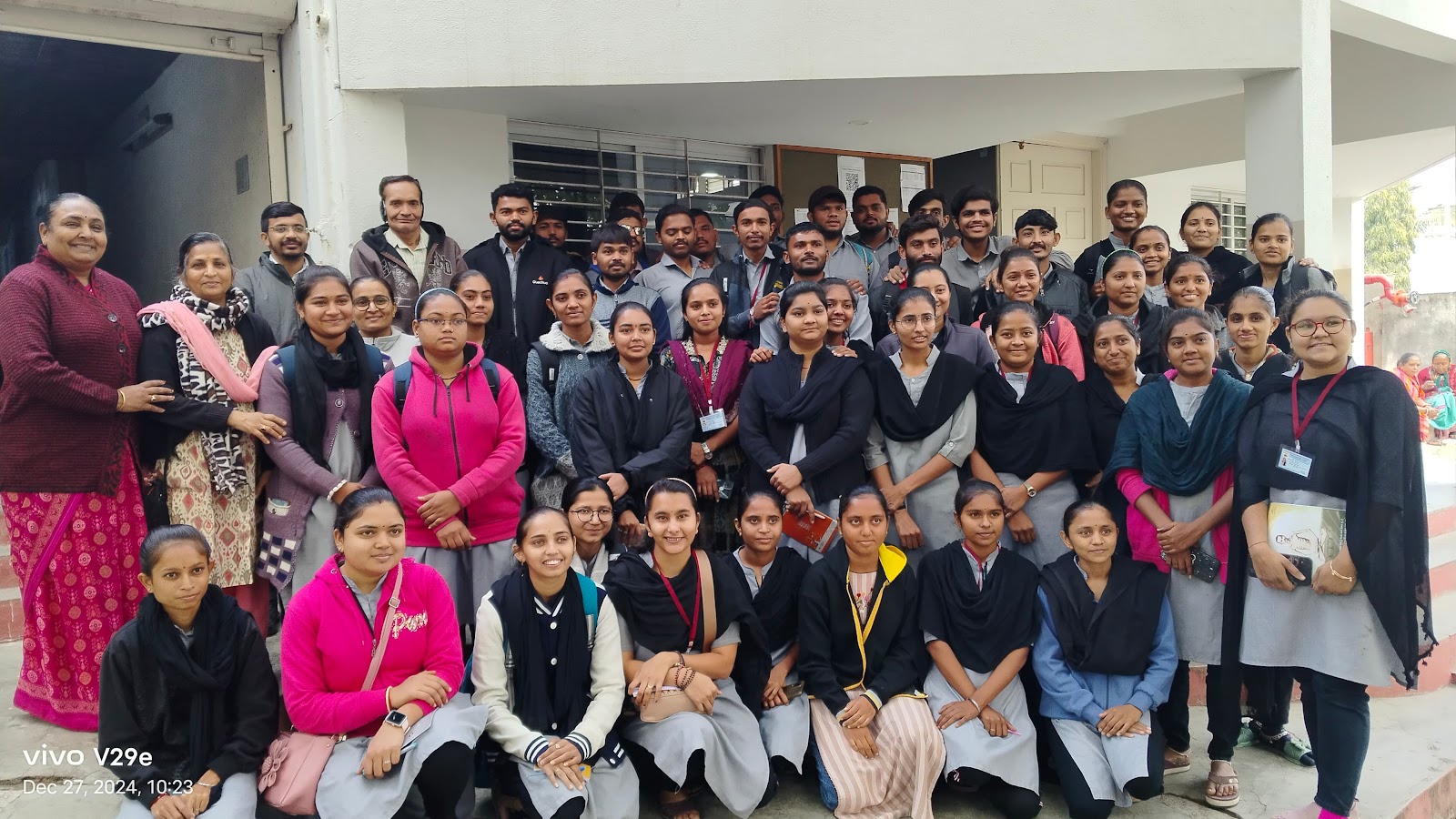
  ગ્રુપ ફોટો   તારીખ 27 ડિસેમ્બર 2024 ના રોજ જિલ્લા શિક્ષણ તાલીમ ભવન ના પ્રથમ વર્ષમાં વિધાર્થી દ્વારા દક્ષિણામૂર્તિ બાલમંદિર ખાતે મુલાકાત કર...